Lithium Iron Phosphate IBUvolt® LFP402
Cathode Material in Lithium-Ion-Batteries
IBUvolt® LFP402 is a lithium iron phosphate cathode material (LFP, LiFePO4). It has been specially developed to meet the highest demands in terms of quality and performance, which are particularly critical in the automotive industry. For more than a decade, we have been producing LFP of consistently high quality and continuously improving our materials.
The material is ideally suited for processing into electrode films using the widely established NMP-based coating process. As a result, IBUvolt® LFP402 integrates seamlessly into existing production lines and enables efficient and robust electrode manufacturing.
IBUvolt® cathode material is the result of extensive product and process development. Drawing on our many years of expertise in thermal process engineering, we have created a cathode material with excellent fast-charging capability. At the same time, it impresses with outstanding long-term stability over many charging cycles.
- LFP cathode material with high energy density
- Optimized for NMP-based electrode coating
- Focus on the application of lithium iron phosphate in electric vehicles
LFP Material Development Optimized for Cell Design
Material development based on detailed customer feedback has made it possible to specifically optimize the product properties for currently manufactured cell designs. This ensures that our LFP cathode material meets today’s market requirements while being optimally prepared for future challenges.
A particular focus was placed on coating technology using N-methyl-2-pyrrolidone (NMP) and polyvinylidene fluoride (PVDF). This process has become the industry standard for producing electrodes with excellent properties. Electrodes manufactured in this way achieve high energy density and long service life. This is of central importance, especially for demanding applications in electric vehicles.
Through ongoing dialogue with our customers as well as continuous research and development, we ensure that our LFP solutions always remain at the cutting edge of technology.
| Parameter | IBU Volt® LFP 402 |
|---|---|
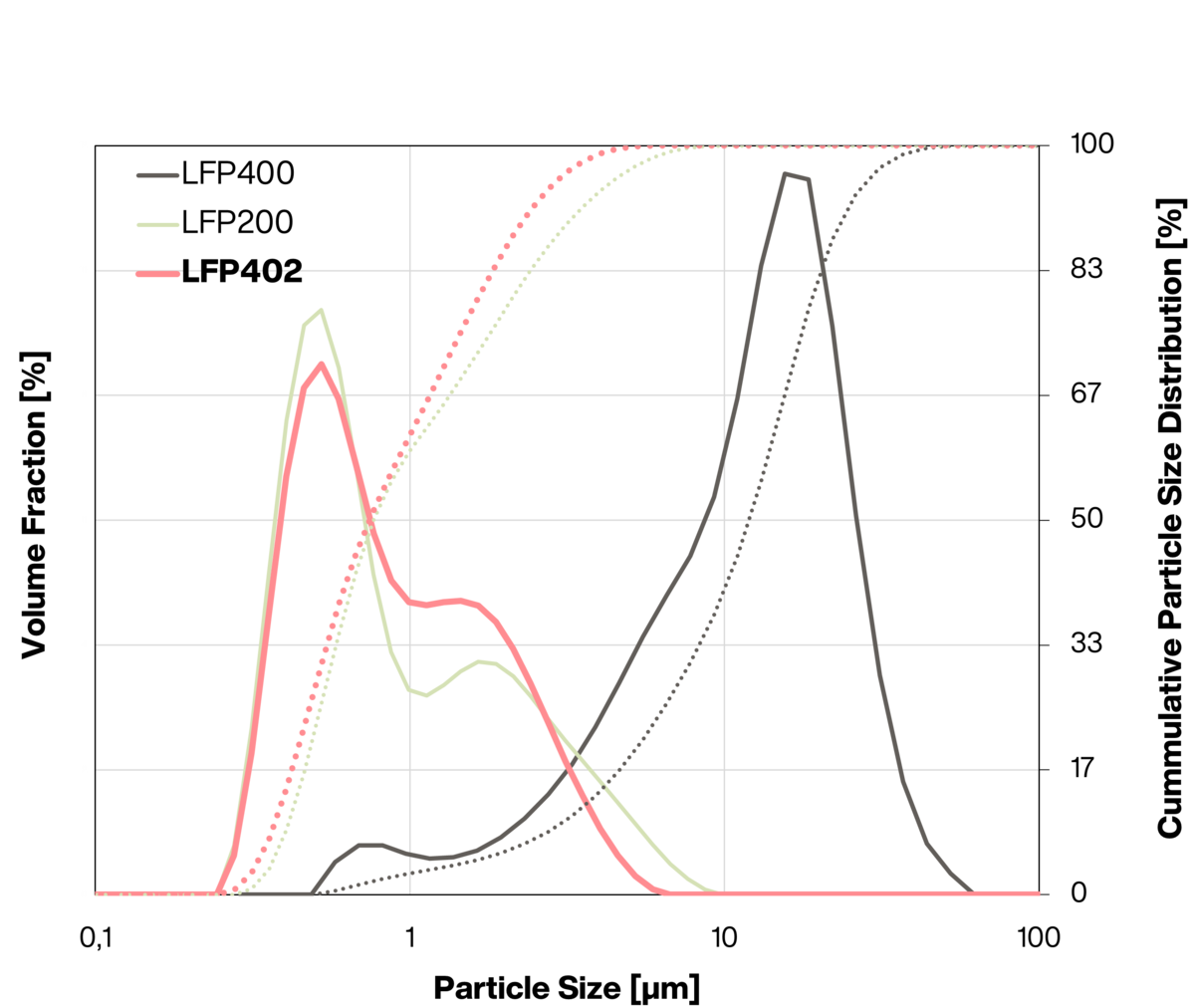
| PSD [µm] (d10/d50/d90) | 0.5 / 1.3 / ≤ 5.0 |
| Powder Density [g/cm³] (3T pressure) | > 2.35 |
| Energy Density [Wh/l] (Cathode, 97% avtive material, 0.1C) | > 1200 |
| Cycle life (2C/2C, 10-90% SOC, 25 °C) | > 3000 |
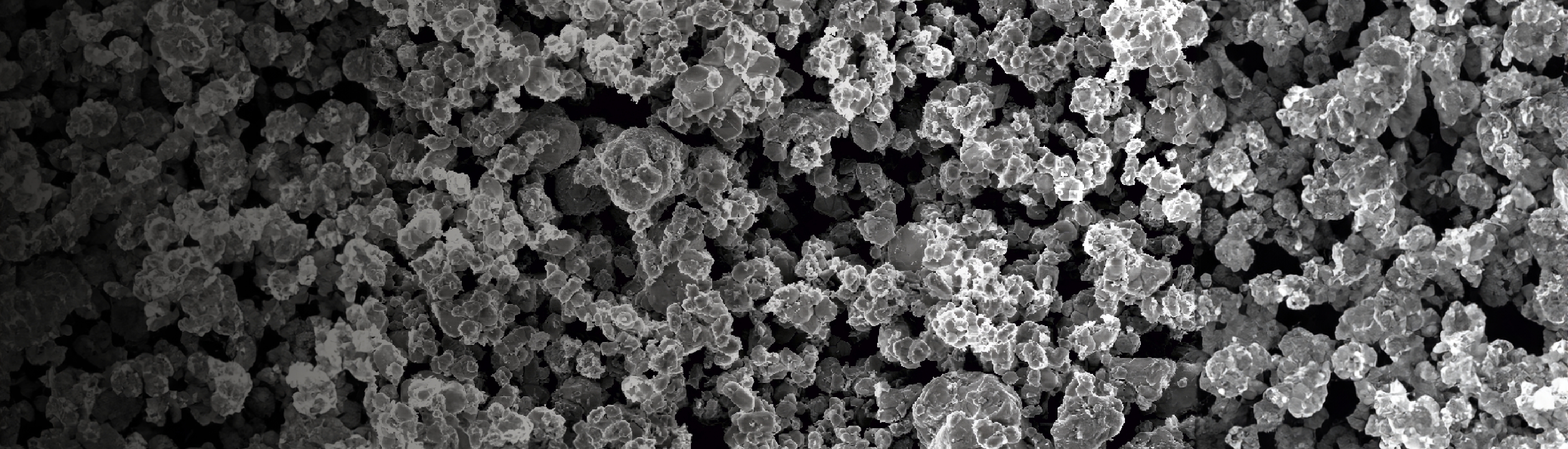
LFP402 is a very fine LFP cathode material with an average particle size (d50) of approximately 1 µm. This fine particle distribution results in a large active surface area, which significantly enhances electrochemical reaction kinetics.
The material is characterized by a very high specific discharge capacity (mAh/g) and offers balanced compactability, making it suitable for reliable electrode manufacturing. On this basis, good electrode packing densities can be achieved, enabling a solid energy density at the cell level.
Existing production facilities can process this lithium iron phosphate without issue and without requiring extensive process adjustments. In particular, when combined with standard NMP/PVDF-based coating processes, LFP402 exhibits good slurry and coating behavior. It is therefore suitable for use in both electric mobility and stationary energy storage systems.
Applications in E-Mobility & Stationary Energy Storage:
- Traction Batteries in Electric Vehicles
- Industrial Storage Systems
- Home Storage Systems, where safety, service life, and reliability are paramount.
IBUvolt® LFP402 was specifically developed to meet the requirements of global manufacturers of lithium-ion battery cells and can be reliably processed in industrial-scale production. The lithium iron phosphate cathode material offers a high specific capacity of > 159 mAh/g as well as good electrical conductivity, thereby supporting energy-efficient and high-performance cell designs.
Our IBUvolt® LFP402 has been optimized for a low carbon content of 1.4 wt%. This targeted design contributes to a balanced combination of compactability and conductivity in the material. At a pressing pressure of 3 tons, LFP402 can be compacted to a density of 2.4 g/cm³ with a conductivity of ~40 mS/cm. This balance of packing density and electrical performance supports a stable electrode design and efficient current conduction.
The electrodes and cells manufactured from this material are characterized by high energy efficiency, long service life, and a high level of safety—critical factors for use in electric vehicles, industrial battery systems, and stationary energy storage systems.

Production of our LFP Cathode Material
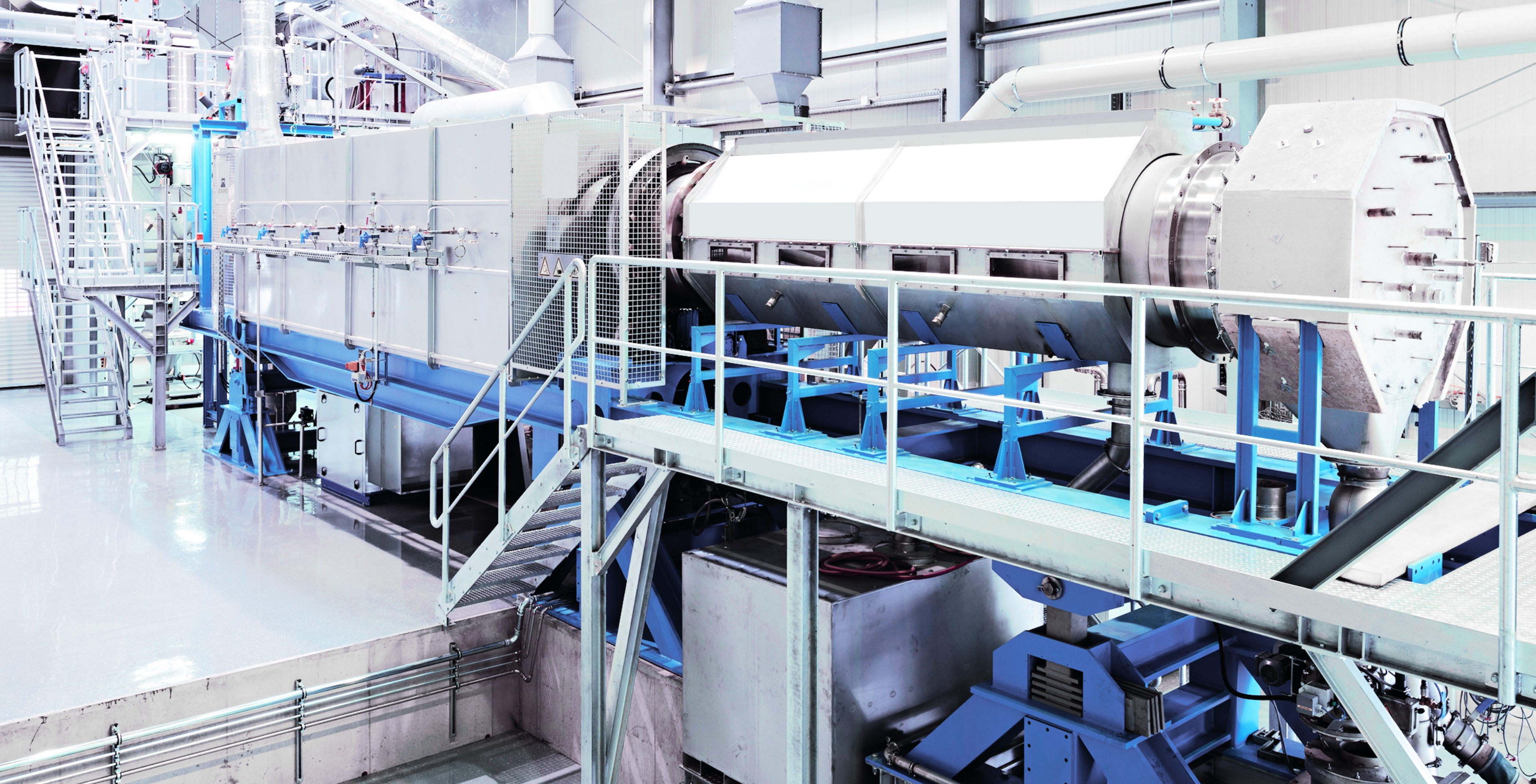
Our IBUvolt® LFP cathode material is produced using an energy-efficient and low-emission manufacturing process. In four coordinated production steps, a carefully formulated mixture of raw materials is transformed into a high-quality LFP cathode material for lithium-ion batteries.
First, the raw materials are mixed with water and the desired particle size is adjusted. The homogeneous suspension is then dried in a spray dryer. In a subsequent calcination step, the spray-dried powder is converted into lithium iron phosphate with defined material properties in a rotary kiln. Finally, deagglomeration and grinding take place to precisely adjust the final particle size.
This controlled process ensures consistently high material quality and supports resource-efficient, sustainable production of LFP cathode material for industrial applications.