Electrode Coating for Batteries
Development Services provided by IBU-tec
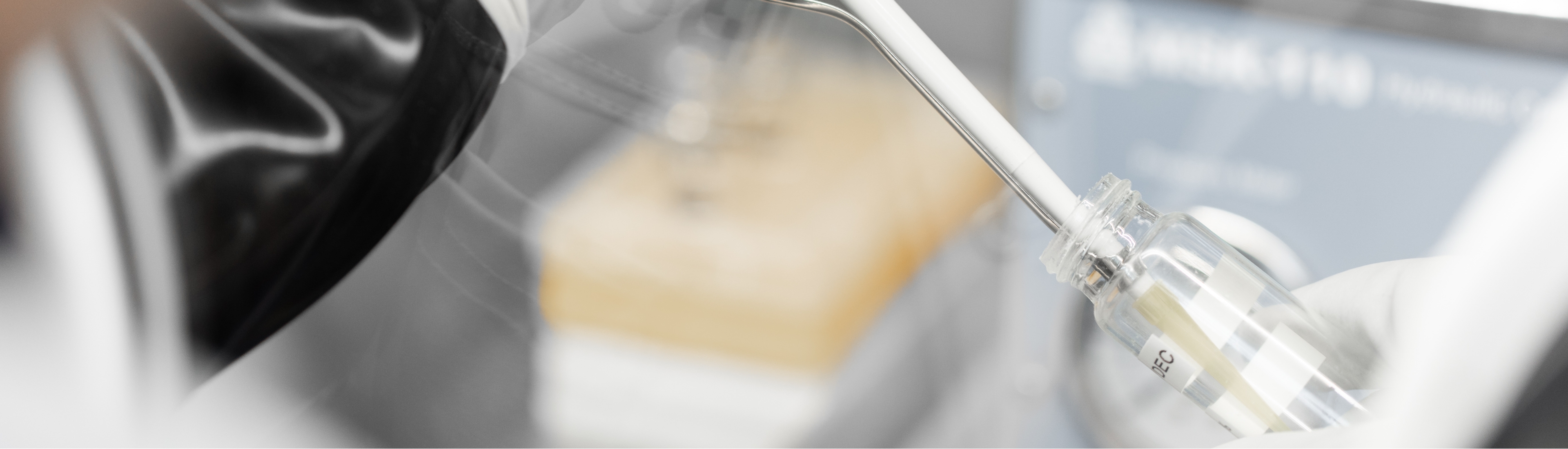
The demands on modern lithium-ion and alternative battery technologies are constantly increasing: higher energy density, longer cycle life, fast charging capabilities, and, at the same time, stable, scalable manufacturing. A key factor in achieving this is the quality of the electrode coating. IBU-tec supports you precisely in this area—with custom electrode coating as a development service for anode and cathode materials.
We develop and coat your materials according to your specific requirements: from the selection and combination of active materials to the definition of layer thicknesses and the precise adjustment of density and porosity. Working closely with your development team, we develop coating solutions that are precisely tailored to your battery chemistry, cell design, and target application—whether for electric vehicles, stationary energy storage systems, or specialized industrial applications.
Clear Target Parameters as the Basis for Reproducible Electrode Quality
At IBU-tec, every coating process begins with the definition of clear target parameters. These parameters serve as the guiding principle for formulation development, process control, and downstream quality control. The focus is particularly on:
- Electrode loading – that is, the amount of active material per unit area, which is directly related to the achievable energy density.
- Electrode density – after drying and calendering, critical for volumetric energy density, mechanical stability, and ionic conductivity.
- Slurry stability – the suspension must remain homogeneous during processing, without sedimentation or segregation.
These target parameters are defined in collaboration with you and serve as guidelines throughout the entire development process. This ensures that the coated electrodes not only perform well in the laboratory but can also be reproducibly manufactured in industrial processes at a later stage.
Structured Material and Process Design for Slurry Development
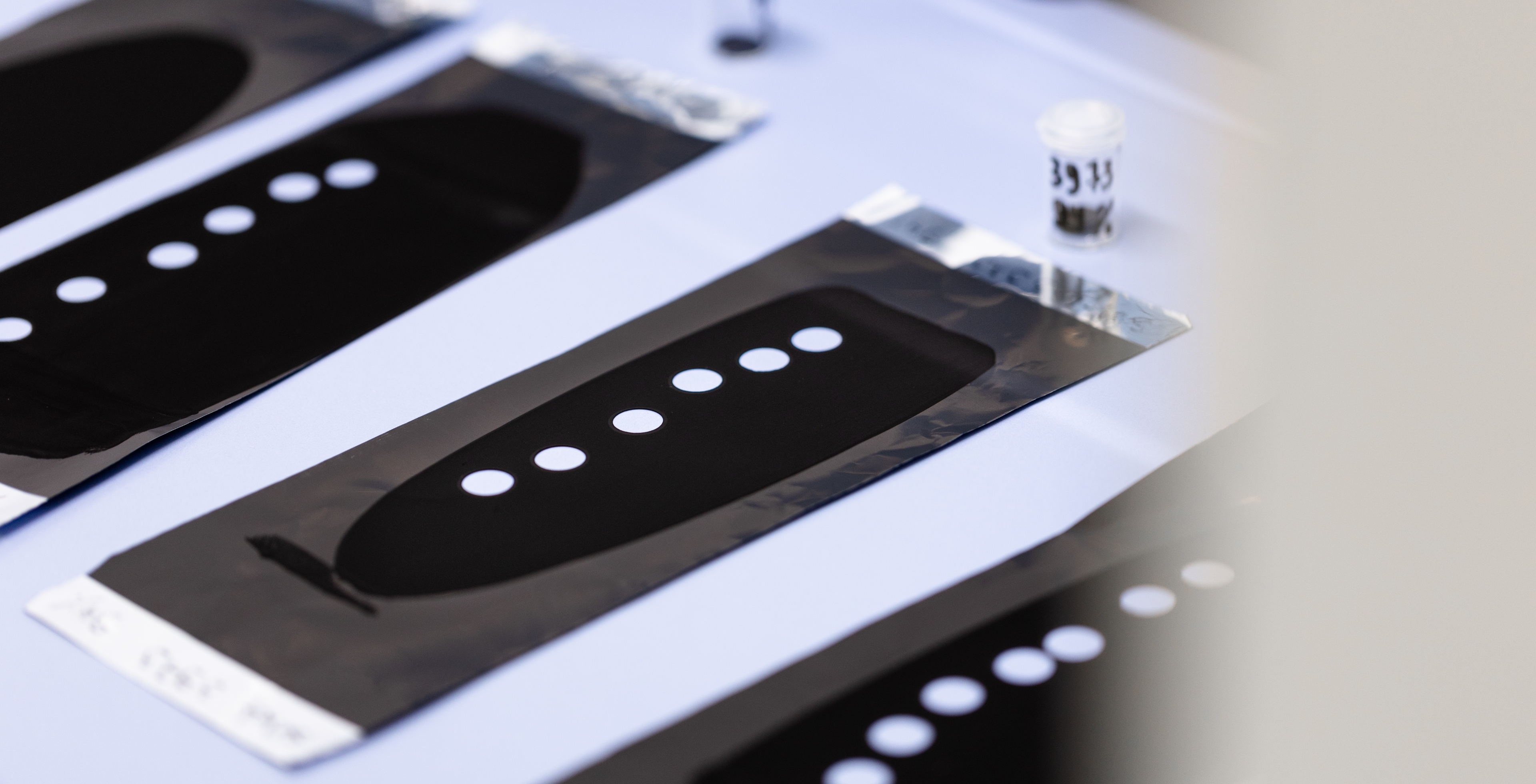
Electrode performance stands or falls on the quality of the slurry. That is why slurry development at IBU-tec follows a clearly structured material and process design.
First, the appropriate components are selected:
- Active Material – e.g., LFP, NMC, graphite, hard carbon, or customer-specific powders. We process your materials or utilize our own in-house developments.
- Conductive Additives – such as carbon blacks, conductive carbons, or carbon nanotubes – to optimize the electrode’s electrical conductivity.
- Binders – e.g., PVDF, CMC/SBR, or other systems to ensure the mechanical stability of the layer.
- Solvents – such as N-methyl-2-pyrrolidone (NMP) or water, tailored to the binder system and process requirements.
In the next step, the component ratios and rheology are precisely adjusted. The correct ratio of active material, conductive additive, binder, and solvent directly influences:
- Viscosity and Flow Behavior (rheology),
- Achievable Electrode Loading,
- Subsequent Density and Porosity of the Electrode.
Through a controlled mixing and dispersion process—ranging from defined pre-mixing steps to intensive dispersion phases—we ensure the creation of a homogeneous, process-stable slurry. Agglomerates are broken up, particles are evenly distributed, and the slurry is adjusted so that it can be coated reproducibly.
Precise Coating, Controlled Drying, Optimized Calendering
Once the formulation and slurry behavior have been defined, the actual electrode coating process begins. Here, the individual process steps mesh together like gears:
1. Coating Process
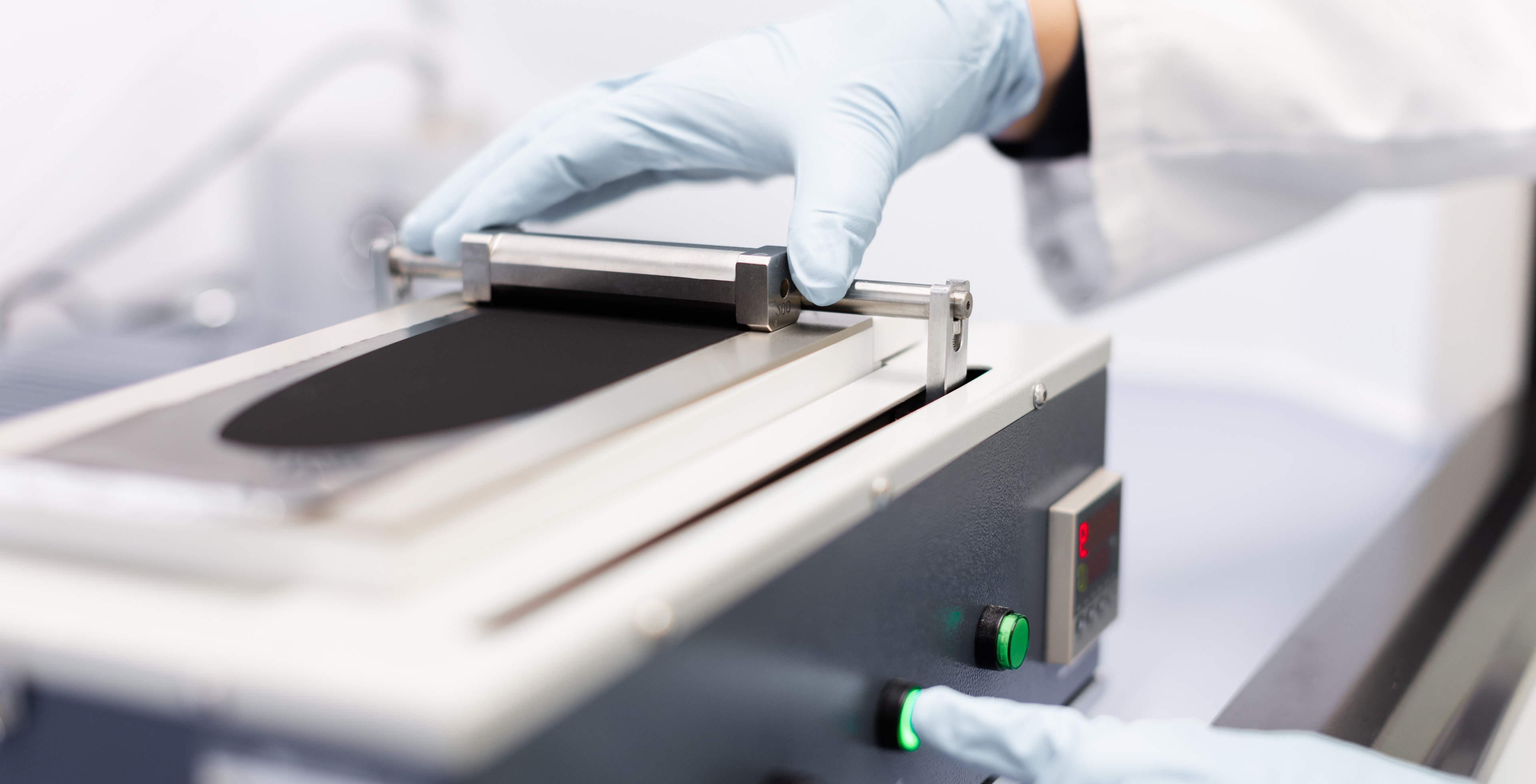
The slurry is precisely applied to the current collector (e.g., copper or aluminum foil) using suitable methods—such as squeegee or slot-die coating. The wet film thickness is adjusted so that the desired electrode loading is achieved after drying. A uniform layer without runs, edges, or defects is the foundation for stable cell performance.
2. Drying
The solvent is then removed in a controlled manner. The drying temperature and time are selected so that the solvent is completely driven out without causing cracking, bubbling, or inhomogeneous zones. The drying profile has a major influence on the microstructure, pore distribution, and binder distribution within the electrode—and thus on its subsequent electrochemical behavior.
3. Calendering (Compaction)
After drying, the electrode is compacted in the calender. By precisely adjusting the roller pressure and temperature, the density is increased and contact between the particles is improved. At the same time, porosity and mechanical stability must be balanced: excessive compaction can impair ionic conductivity, while insufficient compaction wastes potential in terms of volumetric energy density and contact quality.
Through the close coordination of these steps—coating, drying, and calendering—we produce electrodes that are not only stable in terms of process performance but also electrochemically efficient.
Characterization and Testing: Focus on Performance and Long-Term Stability
To ensure that the developed electrode coating meets the requirements of your battery projects, we conduct extensive characterization and testing. In doing so, we examine both the physical properties of the electrodes and their electrochemical performance:
Physical Characterization
> Measurement of layer thickness and specific loading,
> Determination of density and porosity,
> Testing of the electrode’s adhesion to the current conductor (adhesion tests).
This data indicates whether the target parameters have been met and serves as the basis for any necessary adjustments to the formulation or process control.
- Slurry Stability Testing
Over defined time periods, the slurry is tested to ensure it remains homogeneous without showing signs of sedimentation or separation. Only a stable slurry allows for reproducible coatings—a fundamental prerequisite for scalability. - Electrochemical Testing in Cells
The coated electrodes are assembled in suitable test cells (e.g., button cells) and tested according to standardized protocols. Rate tests, cycle tests, and other electrochemical measurements determine whether cycle stability, energy density, capacity, and efficiency meet the requirements of your application.
Through this closed-loop process of development, coating, characterization, and testing, you receive reliable insights into the performance of your electrodes—and concrete starting points for further optimization or scaling toward mass production.