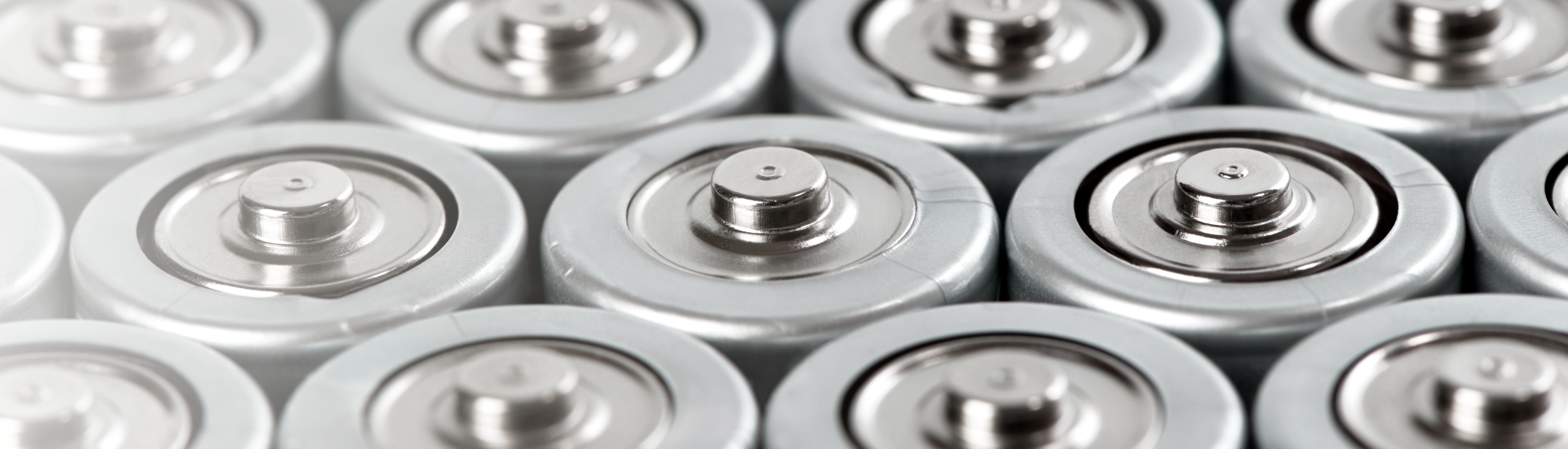
Battery Recycling
Thermal Processes for the Circular Economy of Battery Materials
The energy transition and the massive expansion of renewable energy are driving the global adoption of lithium-ion and other battery systems. This is leading not only to increased production volumes but also, inevitably, to a rise in the number of end-of-life batteries that must be recycled.
At the same time, the EU is stepping up its requirements for recycling ratios and the use of recycled raw materials in new batteries with the new Battery Regulation. Higher recovery rates for lithium, nickel, cobalt, copper, and other metals, as well as mandatory minimum usage quotas for recycled materials, make battery recycling a key strategic issue for manufacturers, recyclers, and plant engineers.
The more demanding the legal requirements become, the more important it is to establish robust, efficient, and scalable recycling processes—especially where thermal processes form a central element of the process chain.
Thermal Process Engineering at the Heart of Modern Battery Recycling Processes
The recycling of battery materials is a complex process. In addition to mechanical, hydrometallurgical, and pyrometallurgical steps, thermal processes play a crucial role in many recycling routes.
Among other things, they serve to
- remove organic components (e.g., electrolytes, binders, plastics),
- selectively reduce the carbon content,
- prepare materials for subsequent leaching or smelting processes, and
- condition process streams so that valuable metals can be efficiently recovered.
Designing such thermal process steps—for example, in rotary kilns or other types of kilns—requires in-depth expertise in thermal process engineering, experience in scale-up, and an understanding of complex material systems. Only in this way can stable, energy-efficient, and compliant processes be developed that function on an industrial scale while simultaneously enabling high yields of valuable materials.
Black Mass – A Source of recyclable Materials and an environmental Risk at the same Time
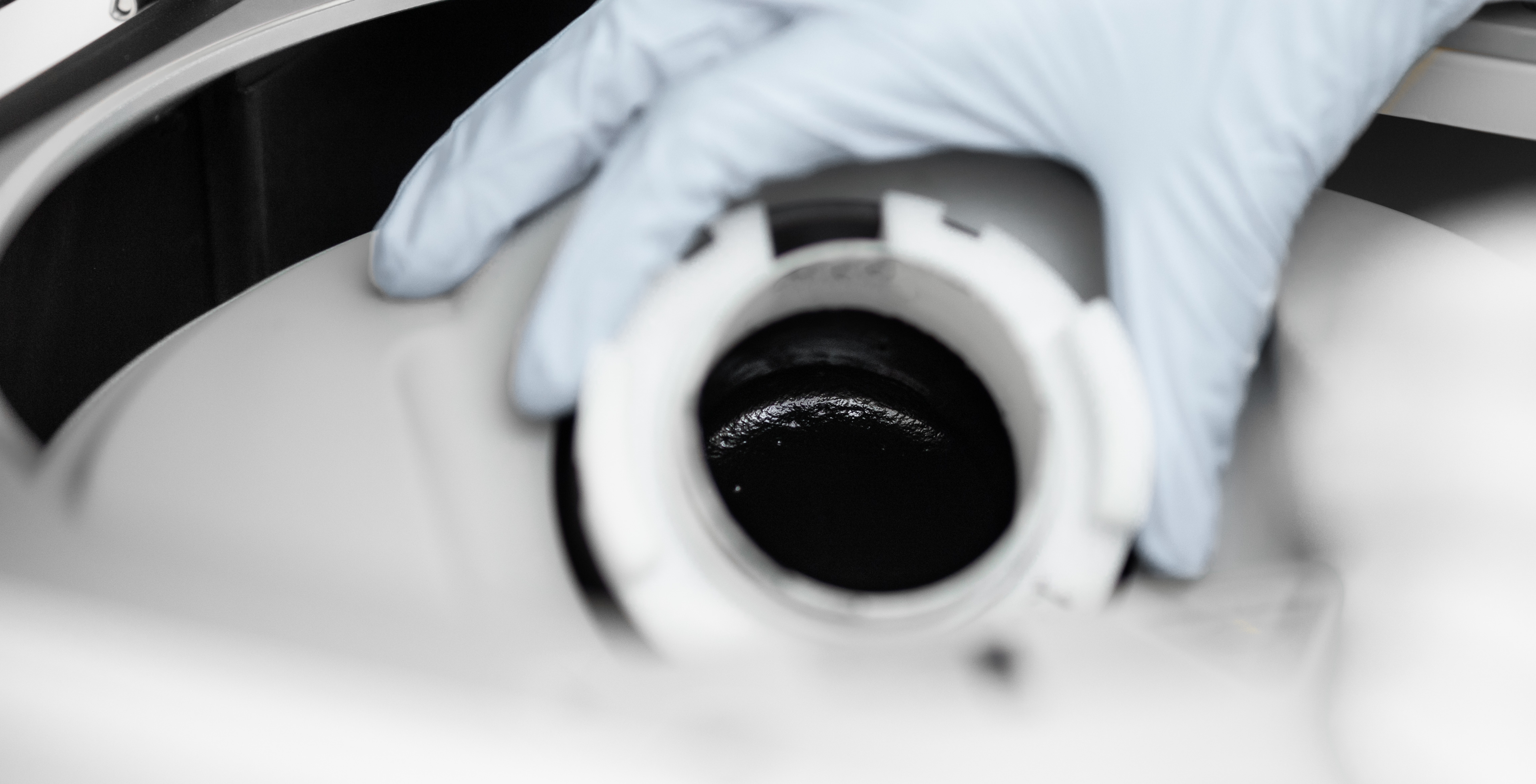
A key material stream in battery recycling is what is known as black mass. It is produced after the discharge, opening, and mechanical processing of used batteries—for example, through the disassembly or shredding of the cells. After the removal of housing parts, foils, plastics, and other coarse fractions, a fine, dark-colored powder remains: the black mass.
This black mass contains:
- Graphite or carbon-containing components,
- Electrode materials and conductive salts,
- Valuable metals such as nickel, cobalt, manganese, lithium, copper, and others,
- Organic residues and potentially halogen-containing components.
On the one hand, black mass is a highly valuable source of critical metals; on the other hand, however, it is classified as waste and poses an environmental risk due to its heavy metal content and organic or halogenated components.
A suitable recycling process must therefore fulfill two objectives simultaneously:
Maximum resource efficiency – recovery of valuable metals to close material cycles and reduce the demand for primary raw materials.
High environmental compatibility – safe treatment of organic and inorganic components, minimized emissions, and controlled residual material streams.
This is precisely where the thermal treatment of black liquor comes into play as a preparatory process step.
Thermal Treatment of Black Mass – Advanced Pyrometallurgy
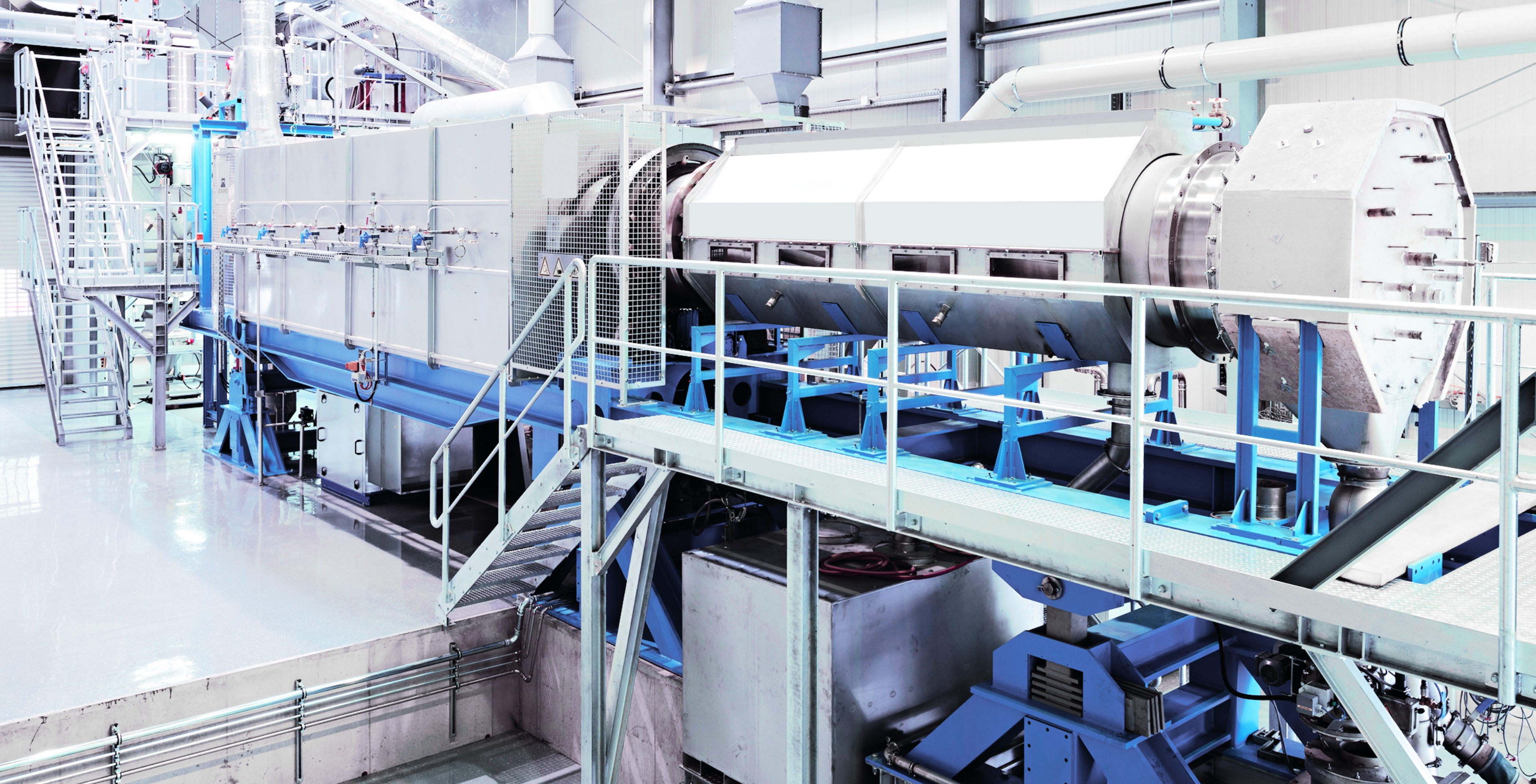
In many process routes, black mass is further processed using pyrometallurgical methods. A proven approach is thermal pretreatment in a rotary kiln at temperatures ranging from approximately 400 °C to 800 °C.
The objectives of this thermal pretreatment include:
- Removal or decomposition of organic components (electrolyte, binder, residual polymers),
- Reduction of the carbon content (graphite/carbon),
- Creation of a defined initial state for subsequent melting or leaching processes.
The complexity of these steps lies not only in the optimal selection of temperature, residence time, and atmosphere, but especially in the exhaust gas routing and purification. During heating, high concentrations of the following may be produced:
- carbon monoxide (CO2),
- unburned hydrocarbons, and
- halogen-containing components (e.g., hydrogen fluoride (HF) from conductive salts)
These require carefully designed exhaust gas purification and process monitoring to ensure compliance with environmental regulations while also guaranteeing economical operation.
Following thermal pretreatment, the black mass can be further processed in melting operations—such as in electric arc kilns or other high-temperature systems. The objective is to form melt phases that are as pure as possible for metal recovery. At the same time, a slag phase is formed, which may be enriched with elements such as lithium and aluminum. Its processing is significantly more challenging than that of the metallic phase and requires a deep understanding of the material systems and process conditions.
IBU-tec: Your Partner for Thermal Process Development and Scale-up in Battery Recycling
To ensure successful thermal processing in battery recycling, you need a partner with extensive experience in the thermal treatment of complex material systems. IBU-tec brings decades of expertise in thermal process engineering and a wide range of equipment—from laboratory kilns to large-scale rotary kilns.
Our services for your battery recycling needs:
Process development and feasibility studies
We conduct laboratory-scale studies to examine how black mass and other battery materials behave under various thermal conditions—including temperature profiles, residence times, and process atmospheres.
Process development and feasibility studies
We conduct laboratory-scale studies to examine how black mass and other battery materials behave under various thermal conditions—including temperature profiles, residence times, and process atmospheres.
Pilot-scale and pilot plant testing
In our rotary kilns of various sizes, we conduct test series up to the hundred-kilogram scale. This allows us to gather reliable data on material flows, energy requirements, emissions, and product quality.
Scale-up and engineering
Based on the test results, we support you in the design of industrial-scale plants. This includes process parameters, sizing of thermal equipment, exhaust gas treatment concepts, and interfaces with upstream and downstream process steps.
Support with plant design
As part of engineering studies, we provide you with the data and design specifications you need for investment decisions, permitting processes, and detailed planning.
With this combination of proven pilot-scale operations, engineering expertise, and process plant know-how, IBU-tec is a powerful partner for companies seeking to develop, optimize, or implement thermal processing steps in battery recycling on an industrial scale.
Conclusion: Thermal Processes as the Key to Sustainable Battery Recycling
Rising volumes of end-of-life batteries, stricter EU regulations, and the demand for critical raw materials make battery recycling a central component of the energy transition. Thermal process engineering plays a key role in this—particularly in the treatment of black mass and the preparation for metallurgical processes.
Those seeking to combine resource efficiency, environmental protection, and cost-effective plant operation require robust, well-understood thermal process chains and an experienced partner for development and scale-up. With the expertise of IBU-tec, a flexible plant portfolio, and comprehensive engineering services, you can lay the foundation for high-performance, compliant battery recycling—from the laboratory scale to full-scale industrial plants.